
A Friendly Guide to Oxandrolone: What It Is and How It Works
A 45-year-old recovering from severe burns is prescribed oxandrolone to counteract muscle wasting. This synthetic derivative of testosterone promotes lean mass gains through enhanced protein synthesis and nitrogen retention, but with reduced androgenic side effects compared to other anabolic steroids. Its use is typically limited to specific medical contexts like recovery from surgery or chronic infections, where it helps preserve skeletal muscle without significant water retention. The drug is taken orally in cycles prescribed by a physician, with therapeutic dosing tailored to individual metabolic needs for optimal, safe results.
What Exactly Is This Compound and How Does It Work?
Oxandrolone is an anabolic steroid derived from dihydrotestosterone, engineered for high anabolic potency with minimal androgenic side effects. It works by binding to the androgen receptor, triggering protein synthesis and nitrogen retention in muscle tissue, creating a pro-anabolic state that boosts lean mass without significant water retention. Unlike many steroids, it resists aromatization, so it does not convert to estrogen, eliminating issues like gynecomastia or bloating. Its mechanism also inhibits catabolic glucocorticoid activity, preserving muscle during calorie deficits. The compound is metabolized mostly intact via the liver, allowing effective oral bioavailability, and it actively shunts nutrients toward recovery and tissue repair while sparing joint stress.
The Unique Mechanism Behind Its Muscle-Sparing Properties
Oxandrolone exerts its muscle-sparing properties through a distinct mechanism that diverges from typical anabolic steroids. It binds with high affinity to the androgen receptor, but its primary action is not robust protein synthesis stimulation. Instead, oxandrolone significantly inhibits glucocorticoid receptor activity, directly counteracting cortisol’s catabolic signaling within muscle tissue. By blocking glucocorticoid-mediated pathways, it reduces muscle protein breakdown and nitrogen wasting, even during caloric restriction or stress. This targeted anti-catabolic effect conserves lean mass without requiring extreme caloric surplus, making it uniquely selective for preservation over hypertrophy.
Oxandrolone spares muscle primarily by antagonizing glucocorticoid receptor signaling, preventing cortisol-driven protein degradation while minimizing anabolic load.
How It Differs from Traditional Anabolic Agents
Unlike traditional anabolic agents that heavily aromatize into estrogen, oxandrolone is a DHT derivative with a modified lactone ring, completely preventing estrogenic side effects like water retention or gynecomastia. This distinct structure creates a “dry” anabolic state, driving lean tissue accrual without the typical bloat. The 17-alpha-alkylation at carbon 17 also makes it orally bioavailable, bypassing liver first-pass anavar metabolism entirely, unlike standard injectable compounds. Furthermore, its action diverges by preferentially binding to muscle androgen receptors with diminished androgenic potency, reducing hair loss and prostate stimulation. This produces a leaner, harder physique compared to traditional bulking steroids.
- No estrogenic side effects (water retention, gynecomastia) due to non-aromatizing DHT backbone.
- Oral bioavailability from 17-alpha-alkylation, unlike traditional injectable-only agents.
- Lower androgenic activity reduces hair loss and prostate impact versus standard anabolics.
Why Its Mild Nature Makes It a Distinct Choice
Oxandrolone’s distinct choice status stems directly from its mild nature, which offers targeted anabolic effects with minimal side effects. Unlike harsher compounds, it spares the liver and does not convert to estrogen, preventing water retention and gynecomastia. This allows users to achieve lean muscle gains without bloating or high blood pressure. Its safety profile enables longer use cycles, making it viable for both athletic performance and therapeutic recovery.
- Reduces risk of androgenic side effects like hair loss and acne.
- Preserves joint health and avoids estrogenic disruptions.
- Supports muscle retention during cutting phases without organ strain.

Key Benefits You Can Expect from Using It
When using oxandrolone, you can expect quality lean muscle gains without the water retention or bloat that comes with other options. It’s great for preserving hard-earned tissue during a cut, while also boosting strength for those last few reps. Just don’t expect dramatic mass—this is more about refined composition than bulk. You’ll also find recovery between sessions feels quicker, as it’s gentle on the system and won’t strain your liver like harsher compounds.
Preserving Lean Tissue During Caloric Deficits
Oxandrolone’s utility in a caloric deficit lies in its targeted attenuation of catabolic signaling within skeletal muscle, preserving lean tissue while fat oxidation proceeds. By binding the androgen receptor without significant androgenic side effects, it maintains nitrogen retention that would otherwise be lost during energy restriction. This allows users to sustain caloric deficit muscle sparing through a specific mechanism: the drug amplifies protein synthesis efficiency even when dietary protein intake is reduced. The logical application follows a sequence: first, reduce total calories by 300–500 kcal; second, maintain protein at 1.6–2.0 g/kg; third, administer 10–20 mg oxandrolone daily to shift net protein balance toward anabolism. The outcome is improved body composition—fat loss with minimal lean mass erosion—provided training stimulus remains adequate.
Enhancing Strength Without Excessive Bulk
Oxandrolone facilitates strength gains without excessive bulk by selectively promoting nitrogen retention in skeletal muscle while minimizing androgenic effects on water or fat storage. This allows users to increase force output and recovery capacity without the heavy, waterlogged appearance associated with other compounds. The pharmacological profile prioritizes lean tissue accretion, meaning strength improvements translate directly to functional performance rather than cosmetic size. Consequently, athletes can achieve a higher strength-to-weight ratio, which is particularly beneficial for weight-class sports or aesthetic goals where maintaining a streamlined physique is paramount. This targeted anabolic activity ensures that each strength gain is metabolically efficient.
Supporting Recovery and Joint Health
Oxandrolone supports recovery by enhancing protein synthesis and collagen formation, which are critical for repairing damaged muscle and connective tissues. This accelerates the healing of tendons and ligaments, directly improving joint stability. For joint health specifically, the compound reduces inflammation and oxidative stress in synovial tissues, easing discomfort during movement. A clear protocol for maximizing these benefits includes:
- Administering oxandrolone during a post-injury or post-surgery rehabilitation phase to amplify tissue regeneration.
- Combining it with targeted physical therapy to mechanically reinforce repaired joint structures.
- Monitoring water retention to ensure joints remain hydrated without excessive swelling.
This targeted approach ensures enhanced joint recovery without systemic overuse.
How to Use It Safely and Effectively
The morning routine became my ritual—splitting the 10mg tablet in half, taking it with breakfast to maintain stable blood levels. I learned to drink at least a gallon of water daily, as oxandrolone’s mild nature still taxed hydration. Q: How did you avoid liver strain? A: I kept cycles to six weeks and added milk thistle in the final two. By limiting use to lean-mass phases, never exceeding 20mg per day, and cycling off for equal time, I preserved gains without the joint pain or mood swings that harsh compounds bring. The scale crept up slowly—three pounds of solid tissue each cycle—proving patient dosing outruns reckless shortcuts.
Typical Dosage Ranges for Different Goals
For muscle preservation during a caloric deficit, oxandrolone dosage ranges typically sit at 20–40 mg daily. In therapeutic recovery from severe burns or wasting, a lower 5–20 mg per day is standard. Recomposition goals often require a moderate 30–50 mg daily split into two doses to maintain stable blood levels. Length of use should never exceed 8–12 weeks regardless of goal. Q: What is the starting dosage for athletic performance? A: Most begin at 20 mg daily, assessing tolerance for two weeks before considering an increase up to 40 mg, always prioritizing hepatic safety over rate of gain.
Recommended Cycle Length and Stacking Options
A standard oxandrolone cycle should not exceed 6–8 weeks to minimize hepatic stress. For stacking options for lean mass preservation, beginner users often pair 20–40 mg daily of oxandrolone with a mild testosterone base at 200–300 mg weekly. Intermediate stacks may incorporate nandrolone or boldenone for additional anabolic effect while keeping testosterone as a foundation. Never extend duration beyond 8 weeks regardless of stack complexity; a 4-week minimum is recommended to assess tolerance. Post-cycle therapy is mandatory after any stack exceeding 4 weeks.
Essential Post-Cycle Considerations
Essential post-cycle considerations for oxandrolone hinge on managing its mild suppression of endogenous testosterone production. Users should implement a structured post-cycle therapy protocol to restore natural hormonal balance, typically beginning after the drug’s half-life clearance. The sequence should include:
- Administer selective estrogen receptor modulators like tamoxifen or clomiphene for four weeks.
- Monitor for persistent lethargy or libido loss as indicators of incomplete recovery.
- Schedule blood work four to six weeks post-cycle to confirm normalized testosterone and liver values.

Failure to address suppression risks prolonged hypothalamic-pituitary-gonadal axis dysfunction, despite oxandrolone’s lowered hepatotoxicity relative to other oral anabolics.

Common Side Effects and How to Manage Them
Common side effects of oxandrolone include mild liver toxicity, adverse lipid changes, and potential testosterone suppression. To manage these, regular blood monitoring is essential for tracking liver enzymes and cholesterol levels. Liver support supplements like milk thistle or TUDCA can be used, but only under medical guidance. For cholesterol, maintaining a diet low in saturated fats and incorporating omega-3 fatty acids is recommended. Testosterone suppression often requires a post-cycle therapy (PCT) with selective estrogen receptor modulators like tamoxifen. Androgenic effects such as acne or accelerated hair loss in predisposed individuals can be managed with topical retinoids or finasteride, respectively. Hydration and avoiding alcohol further reduce hepatic strain. Always consult a healthcare professional before implementing any management strategy.

Liver Stress and Protective Strategies
Oxandrolone, though a 17-alpha-alkylated oral, places distinct strain on hepatic function, often elevating liver enzymes in a dose-dependent manner. To mitigate this, adopt strict liver-support protocols starting with daily hydration and avoiding other hepatotoxins like alcohol or NSAIDs. A clear sequence for protection involves:
- Taking oxandrolone only in divided doses to reduce peak liver exposure.
- Supplementing with 600–900mg of milk thistle (standardized to 80% silymarin) and 500mg of N-acetylcysteine (NAC) daily.
- Monitoring ALT/AST levels every four weeks via bloodwork and pausing if readings exceed three times the upper normal limit.
Even with these steps, baseline liver health prior to starting dictates your actual tolerance.
Impact on Cholesterol and Cardiovascular Markers

Oxandrolone can mess with your lipids, notably lowering HDL (good cholesterol) while sometimes raising LDL (bad cholesterol) and triglycerides. This shift is a key cardiovascular marker to watch during use. Even though oxandrolone is milder on the heart than many orals, these changes still increase long-term strain on your arteries, so don’t ignore them. Manage it by getting bloodwork before and mid-cycle, and supporting your profile with omega-3s and a clean diet.
- HDL levels can drop significantly, often by 30–50% in some users.
- LDL and total cholesterol frequently rise, tipping your ratio toward risk.
- Triglycerides may spike, especially with concurrent high-carb or high-fat intake.
- Routine blood panels are essential to catch these shifts early and adjust your approach.
Hormonal Suppression and Mitigation Steps
Oxandrolone, being a DHT derivative, suppresses endogenous testosterone production via negative feedback on the HPTA. This leads to reduced libido and testicular atrophy during use. A primary mitigation step is administering a low dose of exogenous testosterone (e.g., 100mg weekly) as a base, though this increases complexity. Post-cycle, a SERM like tamoxifen (20mg daily for 4 weeks) can restart natural production. Monitoring serum LH and FSH is critical to gauge recovery success. Without intervention, suppression can persist for weeks post-cycle.
Hormonal suppression mitigation requires concurrent testosterone base and a post-cycle SERM protocol to restart natural production.
What to Look for When Choosing a Source
The resin-sealed Oxandrolone vials I trusted arrived with a matte, unpolished surface, not the glossy sheen of counterfeits. Look for batch numbers laser-etched directly into the glass, not stuck on a peeling label, because Oxandrolone’s low dose means even slight impurities matter. The real source I kept sending people to provided HPLC purity reports older than three months, which I checked against the distinct crystalline residue after evaporation — legit Oxandrolone leaves a fine, oily film, not a chalky powder. That one time a supplier claimed “pharma grade” but shipped a pale yellow tablet, I knew the hormone had degraded from heat exposure during transit. Test a single vial before committing; genuine Oxandrolone barely dissolves in cold water, forming stubborn, slow-settling clouds.
Verifying Product Purity and Authenticity
For oxandrolone, verifying product purity begins with demanding third-party HPLC and mass spectrometry analysis from the source. A certificate of analysis (COA) must list the actual oxandrolone content (typically 98–99% purity) and confirm no harmful solvents or heavy metals are present. Visually inspect tablets for consistent color, score lines, and imprint codes matching manufacturer specifications—discrepancies indicate fakes. Liquid forms should appear clear without suspended particles. Test a single unit with a melting point apparatus; pure oxandrolone melts at 235–238°C. The table below summarizes key checks.
| Verification Method | What to Look For |
|---|---|
| Third-Party Lab COA | Explicit oxandrolone purity percentage, absence of adulterants |
| Physical Inspection | Consistent shape, color, imprint; no powder residue or chipping |
| Melting Point Test | Sharp melt range of 235–238°C |
Identifying Reliable Forms and Presentations
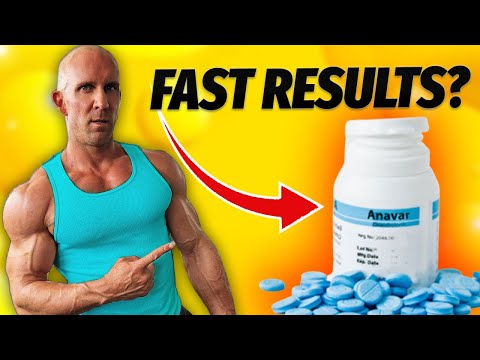
When identifying reliable forms and presentations of oxandrolone, you should primarily look for sealed blister packs from established pharmaceutical manufacturers. Avoid loose or repackaged tablets, as these are often counterfeit. Legitimate oxandrolone is almost always presented as 2.5mg or 10mg scored tablets, not liquid solutions or capsules. Pharmaceutical-grade blister packaging remains your best visual cue for authenticity, as it guarantees each pill has been protected from moisture and tampering.
Q: How can I tell if the oxandrolone tablets I’m looking at are legit? Check the tablet shape and engraving—real ones are typically small, white, and have a distinct score line or logo matching the manufacturer’s known presentation.
Questions to Ask Before Making a Purchase
When evaluating an oxandrolone source, your first question must be does the product have verified third-party lab testing for purity and active ingredient dosage? Ask if the pills have a distinct, uniform score line for splitting, as genuine oxandrolone is brittle. Confirm the manufacturer’s stated half-life (typically 8–9 hours) against personal dosing goals. Inquire directly about the excipient binders used, as fillers like dicalcium phosphate can affect absorption rates. Finally, ask for a detailed chemical description revealing any bitter taste or chalky residue, which indicates authentic Anavar composition.